Heightened inflammation: Dysregulated NF-kB pathways promote pro-inflammatory cytokines

Cerebrolysin's Position: Decades of clinical use across 40+ countries with established safety and efficacy data Meta-analyses and Cochrane systematic reviews the highest levels of clinical evidence Known limitations: complex mixture makes precise mechanism attribution difficult, not FDA-approved, requires IV/IM administration Represents validated but incrementally effective neurotrophic therapy Dihexa's Position: Exceptional mechanistic novelty HGF/c-Met potentiation at picomolar concentrations is a genuinely unique pharmacological finding if confirmed Entirely preclinical with no human data of any kind Foundational research compromised by expression of concern and retraction the core evidence base is actively questioned Theoretical safety concerns (c-Met oncogenesis) that have not been addressed experimentally Represents frontier neuroscience that has not survived the basic tests of scientific reproducibility For Researchers: Cerebrolysin offers a clinically validated tool for studying neurotrophic effects in humans, supported by the strongest available evidence
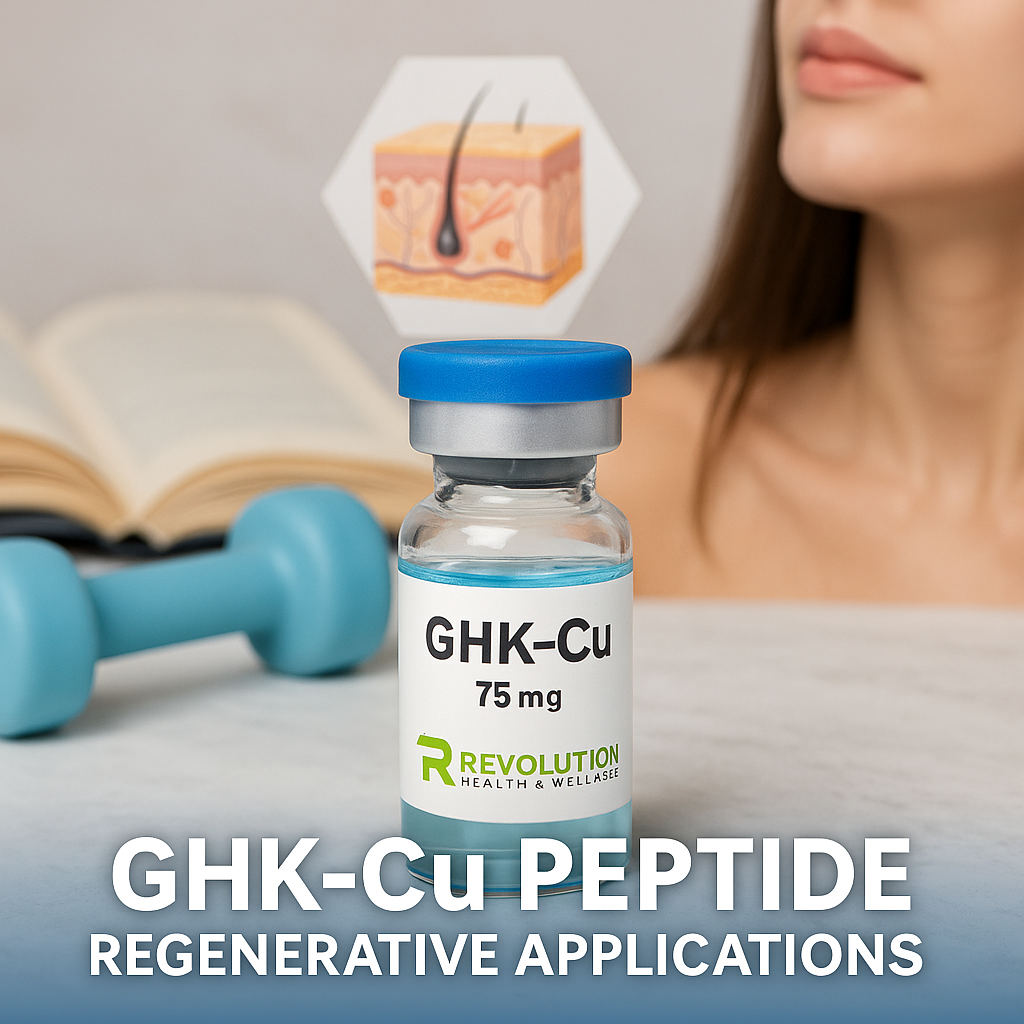
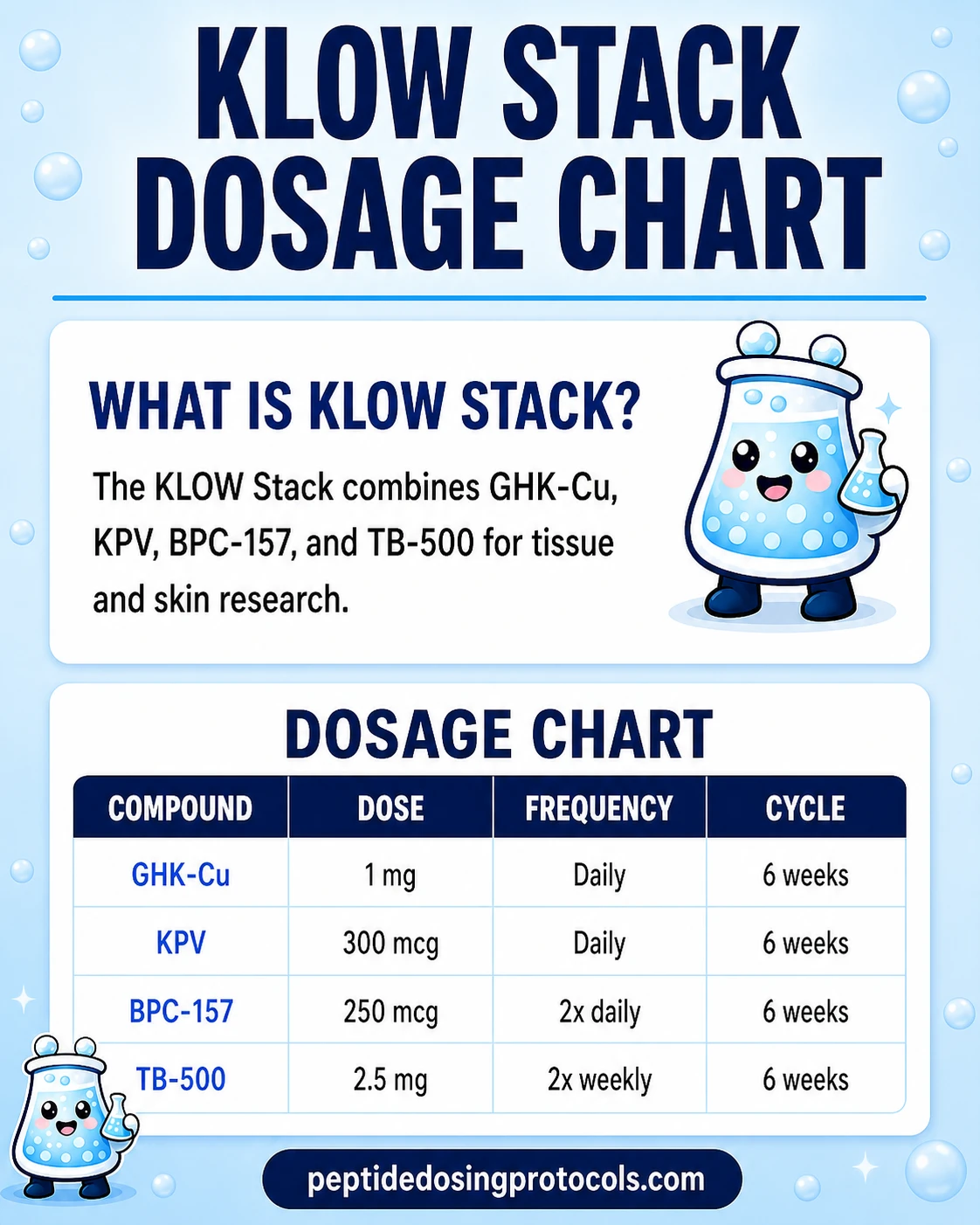
Research in mammalian models demonstrates plasma GHK-Cu concentrations of approximately 200 ng/mL in young organisms, with these levels declining dramatically with age to around 80 ng/mL in aged specimens
Reach out to speak to a specialist to get the help you need.
Notably, primary bile acid biosynthesis was exclusively enriched at the early phase, suggesting a rapid development of bile acid production function in iHLOs at this stage
It is not classified as a controlled substance under the Misuse of Drugs Act 1971, but it is also not approved as a medicine or food supplement